As Kathi Venios told NorthcentralPA.com, "It's art deco due to Hector coming here in 1937."
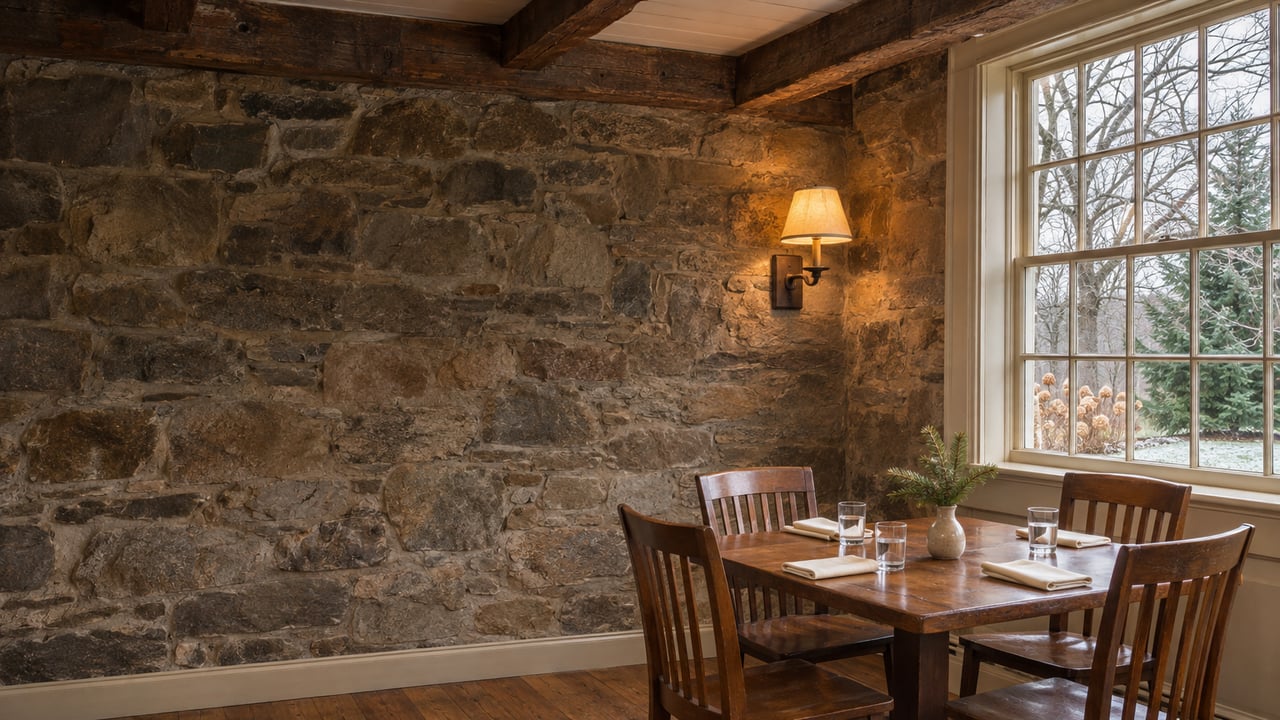
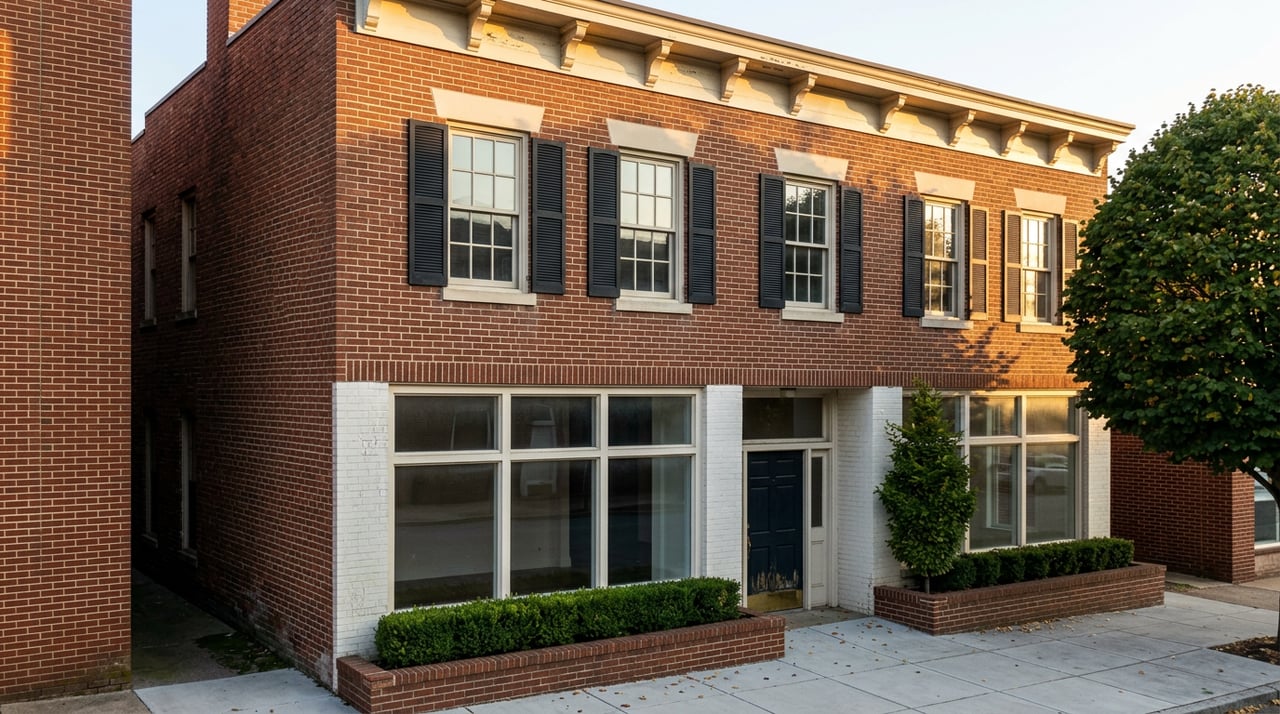
That is how she explains the detailing on the walls of a second-floor room above the Milton Moose Family Center on South Front Street. It is a strange, specific answer to a question most people never think to ask, because most people do not know the room exists. Chef's Place sits above the Moose Lodge's front door, behind a door most Milton residents have walked past hundreds of times without opening.
Everyone who has lived in Milton long enough knows the trivia. Chef Boyardee started here. Fewer people realize that two separate, still-active pieces of that story sit on the same street, roughly four blocks apart, doing two completely different jobs. One of them is a plant that has never stopped running. The other is a teenager's culinary classroom built inside a canned-food museum. Most residents have registered one and missed the other.
The Factory Never Actually Left
Hector Boiardi moved production from Cleveland to Milton in 1938, buying an old silk mill and converting it into a cannery because the surrounding farmland grew the tomatoes he needed and the Susquehanna River gave him water for processing. Within a few years the plant was operating at a scale that is hard to picture against the size of the town. At its peak during World War II, the Milton plant employed roughly 5,000 workers and turned out 250,000 cans a day, a pace that earned it an Army-Navy "E" Award in June 1943, an honor given to fewer than three percent of the plants doing war work nationwide.
Boiardi sold the operation to American Home Foods after the war rather than lay off half his workforce once wartime demand eased. The plant kept running under a chain of corporate owners since. It is still running now, under Conagra Brands, on South Front Street, close enough to the parade route that it serves as the literal finish line for the Milton Harvest Festival parade every year. This year's parade, held September 19, 2026, ended there again, the same as it has for decades.
That detail tends to surprise people who think of Chef Boyardee as a nostalgia footnote. It is not a museum piece. It is an active production site that happens to share a street with the town's other homage to the same story.
Two Floors Above the Moose, Two Different Jobs
The Moose Family Center building holds both halves of the tribute side of the story, stacked on top of each other:
- Second floor: Chef's Place. A former banquet room converted into a youth cafe and teaching kitchen, shown to more than 90 community leaders and stakeholders at its 2018 grand opening. The project grew out of a capital campaign led by the late Paul Boiardi, Hector's nephew, who was honored by TIME as its Man of the Year in 2017 for the work and passed away in January 2023. Today the room functions as a working culinary classroom for teens, a small memorabilia museum with photos and vintage cans from the plant's early decades, and an event space that has hosted everything from a Chopped-style cooking competition to a floral arrangement workshop.
- Third floor: The Milton Model Train Museum. Run by a committee of model train hobbyists under TIME, on space donated by the Moose Family Center. The museum draws thousands of visitors during its free open house events, including two dates during this year's Harvest Festival week, September 12 and September 19.
Two floors, two hobbies, two different audiences, and neither one advertised much outside people who already know to look up.
The Monthly Calendar Underneath the Festival Season
Milton just came off its Harvest Festival, a week that runs from September 12 through 19 and fills Front Street, Bound Avenue and the high school stadium with parades, pageants, a bike race and a football rivalry game. That week gets the attention. What runs underneath it, in the other 51 weeks of the year, is a set of smaller, recurring calendars that most people outside downtown never track.
Chef's Place hosts Music and Mocktails, a monthly, family-friendly live music series that runs year-round in that same second-floor room, supported by the Susquehanna Valley Visitors Bureau. Separately, Third Fridays turns the entire downtown grid, not just one building, into a monthly celebration of Milton's shops, restaurants, cultural venues and live music. One calendar lives inside a single room above the Moose Lodge. The other spreads across the whole business district. Both run independently of festival week and independently of each other.
The Rest of the Circuit
The same stretch of Front Street holds a handful of other pieces that make more sense once you know where Chef's Place fits. The Milton MakerSpace offers six different modules for residents building skills or small businesses, functioning as a low-cost incubator alongside the culinary one upstairs at Chef's Place. A Butterfly Garden along the riverbank gives the corridor a quieter stop for anyone walking the river path. The Front Street Gazebo offers a year-round view of the Susquehanna, and TIME maintains a free walking-tour app with 14 history kiosks scattered through town, including a site honoring Governor James Pollock, a Milton native credited with the idea for "In God We Trust" appearing on U.S. coins.
Follow that app from the kiosk nearest the Moose building and you end up, a few blocks later, near the working plant's fence line on South Front Street. The whole story, origin and continuation, fits on one walk.
What This Means If You Already Live Here
The trivia about Chef Boyardee is easy to pick up. Somebody mentions it at a cookout, or a visitor asks about the name on a can, and the fact gets repeated. The harder thing to know, unless you have actually gone looking, is that the story has two live addresses rather than one dead one. A production plant that has run continuously since 1938 sits a short walk from a nonprofit's teaching kitchen built specifically to keep that history from turning into a plaque nobody reads.
That kind of layered, working history is part of what makes a town worth paying attention to beyond the week its parade runs down Front Street. It is the sort of detail that never shows up in a property listing but shapes what living somewhere actually feels like on an ordinary Tuesday.
If you are thinking about what a home in Milton is worth, or what it would take to move into this stretch of the Susquehanna Valley, Brett Barrick has been part of this community since 1972 and knows it at this level of detail. Work with Brett. Request a free home valuation and start the conversation.