Wondering whether you should buy in Danville Borough or look for more space out in the country? It is a common choice around Danville because this market truly offers both a compact in-town setting and a wider rural landscape across Montour County. If you are trying to balance convenience, privacy, upkeep, and resale potential, this guide will help you sort through the tradeoffs and focus on what matters most for your move. Let’s dive in.
Danville Offers Two Distinct Lifestyles
Danville Borough is compact, with about 4,217 residents living within 1.6 square miles. Montour County stretches much farther, covering about 130.3 square miles with roughly 18,103 residents. That difference helps explain why your home search around Danville can feel so varied, even within a relatively small area.
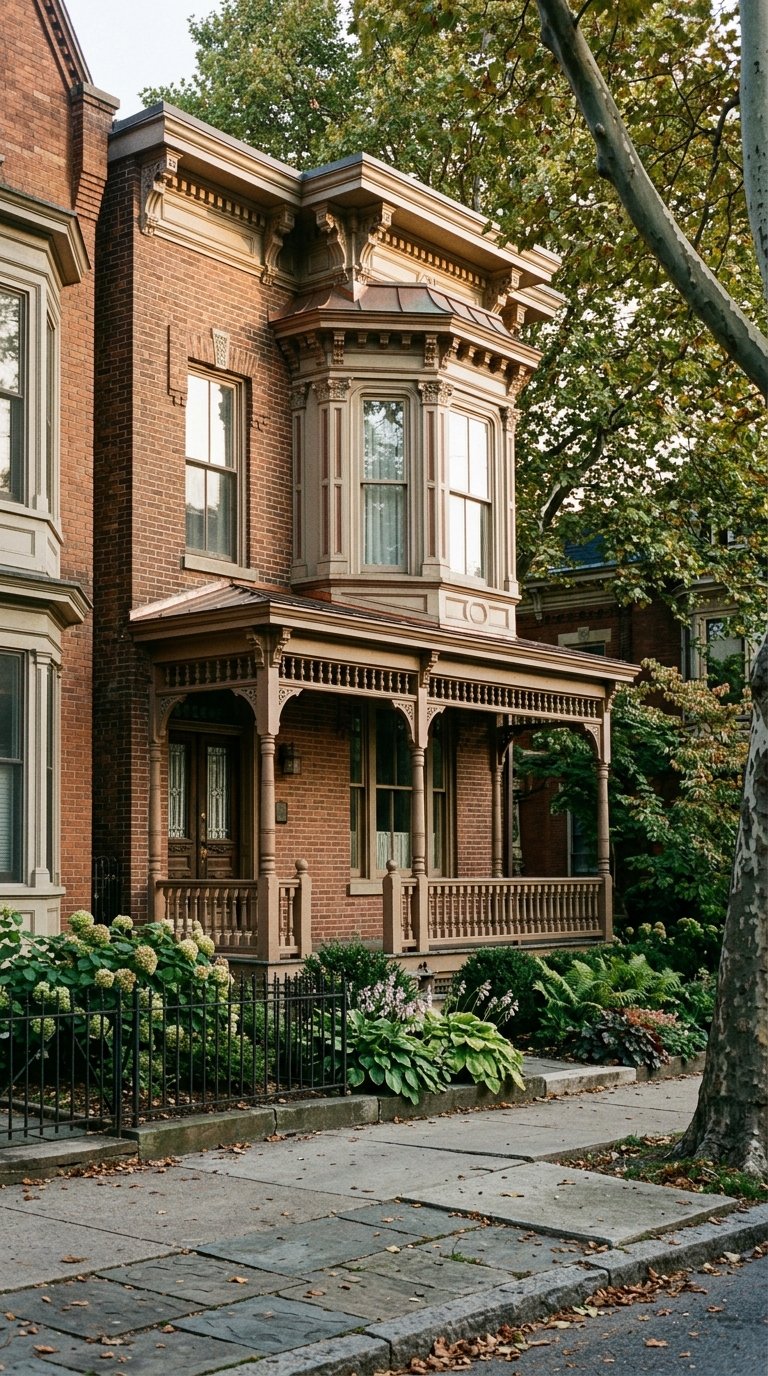
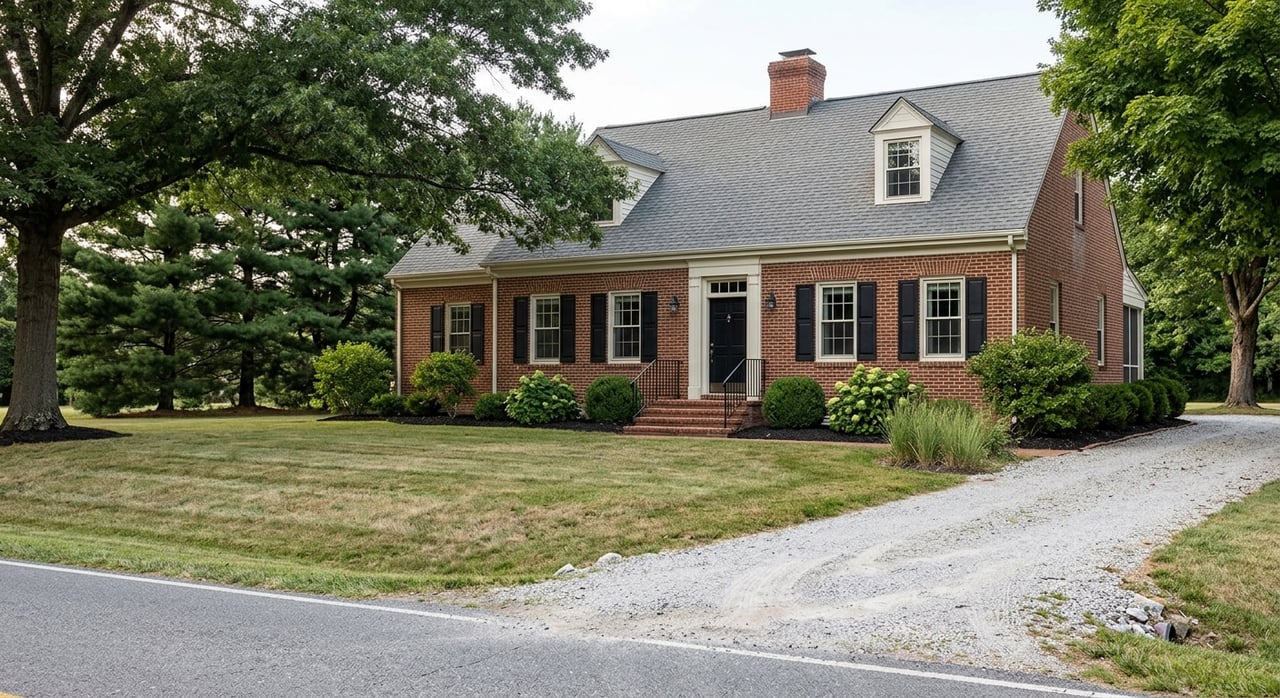
In simple terms, in-town Danville usually means a denser setting, shorter drives, and more public infrastructure. Country properties around Danville often mean larger lots, more privacy, and more property-specific maintenance. Neither option is automatically better. The right fit depends on how you want to live day to day.
What In-Town Danville Usually Offers
If convenience is high on your list, in-town Danville may stand out quickly. The borough has a mean travel time to work of 11.7 minutes, compared with 19.4 minutes for Montour County overall. That difference can shape your routine more than you expect.
Living in town can make errands, appointments, and commuting feel simpler. With about 2,711 people per square mile, the borough has a more compact footprint than the surrounding county. For many buyers, that means less windshield time and easier weekly logistics.
Public Water and Sewer
One of the clearest differences between in-town and rural homes is utilities. Danville Borough operates water and sewer departments, and its Municipal Authority oversees related infrastructure. That usually means public utility service instead of private systems.
For you, that can reduce some ongoing maintenance tasks. You are less likely to be managing a private well or an on-lot septic system, which can make ownership feel more straightforward.
Rules That Can Affect Your Plans
In-town homes may come with more local oversight. Danville Borough has zoning rules, a Historical Architectural Review Board for designated historic districts, and a Property Maintenance and Rental Registration board. Those rules can matter if you plan to renovate, make exterior changes, or use a property as a future rental.
That does not mean in-town ownership is harder. It does mean you should understand the rules early so your plans match the property and location.
What Country Homes Around Danville Usually Offer
If your ideal home includes more land, privacy, or room for hobbies, country properties may be the better fit. Montour County describes itself through rural farmlands, state game lands, state forests, the Susquehanna River, and nearby preserves. That setting is a big reason many buyers look outside the borough.
Rural does not always mean isolated around Danville. Major corridors like U.S. 11 and Interstate 80 run through the area, with PA 54, 254, and 642 adding more access points. Even so, country living usually means more driving and greater reliance on your own vehicle.
More Land Is Part of the Market
Larger parcels are not unusual in Montour County. The 2022 Census of Agriculture counted 257 farms and 30,229 acres in farms across the county, with an average farm size of 118 acres. Residential homes are not the same as farms, but those numbers show that land is a normal part of the local landscape.
If you want space for gardening, outbuildings, equipment storage, or a quieter setting, country homes may give you options that are harder to find in town. The tradeoff is that larger parcels usually bring more upkeep and more due diligence.
Private Wells and Septic Systems
Rural homes are more likely to rely on private wells and on-lot septic systems. Pennsylvania DEP says it does not regulate private homeowner wells. Its septic guidance also says on-lot systems should be inspected annually and pumped every 3 to 5 years.
That matters because country living often includes systems you need to monitor yourself. A well and septic setup is not necessarily a problem, but it does mean you should ask better questions before you buy.
Is In-Town Always Cheaper?
Not necessarily. Danville Borough’s median owner-occupied home value is about $186,400, while Montour County’s median owner-occupied home value is about $248,100. That suggests the broader county market includes a meaningful share of higher-value homes outside the borough core.
Still, median values do not tell the whole story. A specific home’s price can vary based on condition, lot size, updates, flood exposure, utility type, and overall setting. You may find an affordable country property that needs more upkeep, or an in-town home priced higher because of improvements and location.
Does Country Living Mean More Maintenance?
In most cases, yes. A country property may involve care for the house, driveway, land, well, and septic system all at once. That is often a reasonable trade for buyers who want space and privacy, but it should be part of your planning.
By comparison, in-town homes often have fewer property systems for you to manage directly. That can make routine ownership feel lighter, especially if you want a simpler maintenance schedule.
How Commute and Access Affect Daily Life
Small differences in location can shape your week in a big way. In-town Danville tends to support shorter trips and more efficient errand runs because of its compact layout. That can be valuable if your schedule is already full.
Country homes can still offer reasonable access, especially with the county’s highway connections. But the tradeoff is usually more miles on the road and a greater need to plan around driving. Montour County also has rabbittransit shared-ride service, though the county guidelines use travel windows rather than frequent all-day fixed routes.
Resale Appeal Depends on Buyer Priorities
When you think ahead to resale, it helps to consider who your likely future buyer will be. In-town homes often appeal to buyers who want convenience, public utilities, and a more compact setting. Country homes often appeal to buyers who value acreage, privacy, and flexibility of use.
That does not make one category universally better for resale. It means each property tends to attract a different type of buyer. The strongest choice is usually the one that fits your needs now while still matching a clear segment of future demand.
Due Diligence Matters in Both Settings
No matter which direction you lean, careful review can help you avoid surprises. Around Danville, the details of the lot, utilities, and local rules can matter just as much as the house itself.
Here are a few smart items to check before you move forward:
- Water source: Confirm whether the home uses public water or a private well. If it has a well, ask for recent water testing and maintenance history.
- Septic information: Ask about system age, tank size, pumping records, inspection history, and whether there is room for future repair or replacement.
- Floodplain concerns: Review floodplain and river-adjacent risk. Danville Borough maintains flood protection activities and publishes flood awareness information.
- Zoning and local rules: Inside the borough, check zoning, historic-review rules, property-maintenance requirements, and rental-registration requirements if relevant to your plans.
- Transportation logistics: For any home, confirm your likely drive times and day-to-day access needs. If school transportation matters to your household, verify assignment and transportation details for the specific property.
How to Choose the Right Fit
If you are deciding between in-town and country homes around Danville, start with your routine rather than just the listing photos. Think about how much land you really want to maintain, how important public utilities are to you, and how often you are comfortable driving.
A good rule of thumb is simple. In-town Danville may fit you best if you value shorter commutes, easier errands, and fewer private-system responsibilities. A country home may fit you better if you want space, privacy, and room to spread out and you are comfortable with the added maintenance and research that often come with it.
The best decision is usually not about picking the “better” lifestyle. It is about choosing the property type that supports the way you want to live now and the way you may want to sell later. If you want steady, practical guidance as you compare homes around Danville, Brett Barrick can help you evaluate the details with confidence.
FAQs
Is in-town Danville always less expensive than a country home?
- No. Danville Borough’s median home value is lower than Montour County’s overall median, but the price of any individual home depends on factors like condition, lot size, updates, utility setup, and flood exposure.
Do country homes around Danville usually have wells and septic systems?
- Many rural properties are more likely to rely on private wells and on-lot septic systems, so you should confirm the utility setup for any property you are considering.
Does living in Danville Borough usually mean a shorter commute?
- Often, yes. Census data shows a mean travel time to work of 11.7 minutes in Danville Borough compared with 19.4 minutes for Montour County overall.
What should you check before buying a rural home near Danville?
- Focus on the water source, recent well testing, septic age and maintenance history, inspection records, floodplain risk, and access needs for the specific parcel.
What should you review before buying an in-town Danville home?
- Check zoning, historic-district review if applicable, property-maintenance requirements, rental-registration rules if relevant, and any floodplain considerations tied to the property.
Which type of home has broader resale appeal around Danville?
- In-town homes often appeal to convenience-oriented buyers, while country homes often appeal to buyers looking for land and privacy. Resale appeal depends on the property and the priorities of likely future buyers.