Looking for a home with real character and a lifestyle that lets you leave the car parked more often? Milton offers a mix that is getting harder to find: historic homes, a compact downtown, and easy access to the river. If you are thinking about buying or selling in Milton, it helps to understand how the borough’s history, housing stock, and walkable core shape day-to-day living. Let’s dive in.
Why Milton Feels Distinct
Milton is a small borough in Northumberland County with 6,609 residents and just 3.47 square miles of land. That smaller footprint matters because it creates a more compact pattern than you might find in a spread-out suburban area.
For many buyers, that means historic homes and downtown destinations sit closer together. For sellers, it helps explain why location within the borough can feel especially connected to daily convenience and neighborhood appeal.
Milton’s Historic Roots Show Up in Its Homes
Milton was first settled in 1771 and incorporated in 1817. The borough was later shaped by a major downtown fire in 1880 and flooding in 1972, which helps explain why much of the visible housing stock reflects rebuilding from the late 19th and early 20th centuries.
Today, Milton’s historic district and broader housing inventory give the borough a strong architectural identity. Local heritage sources describe more than 40 examples of varied styles, including Richardsonian Romanesque, Queen Anne, Shingle, early Colonial Revival, Craftsman, and Art Deco.
That variety can be a real advantage if you want a home with personality. It also means no two blocks, and often no two houses, feel exactly the same.
What Historic Milton Homes Often Offer
Older homes in Milton can bring features that many buyers actively seek out today. Depending on the home’s era and style, you may find more detailed trim, formal entry spaces, prominent staircases, porches, and original masonry or woodwork.
These homes often reflect design priorities that differ from newer construction. Room layouts, circulation, window placement, and materials can all feel more distinctive, which is part of the appeal for buyers drawn to historic properties.
Federal and Colonial Revival Traits
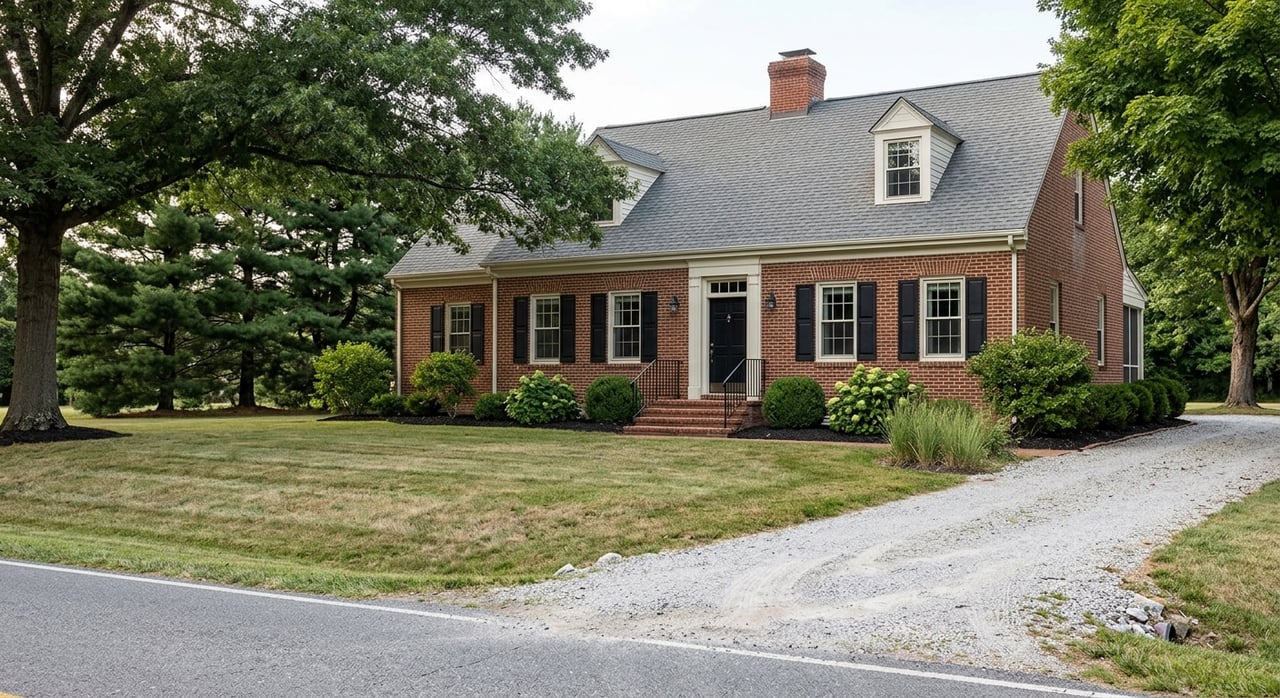
Homes with Federal or Colonial Revival influence often have more formal layouts. You may notice symmetrical room arrangements, center-hall plans, decorative entries, and finish details like paneling, wainscot, or mantelpieces.
For buyers who like traditional floor plans and classic design, these homes can feel orderly and timeless. For sellers, those features can help your property stand out when presented clearly and accurately.
Queen Anne and Late Victorian Traits
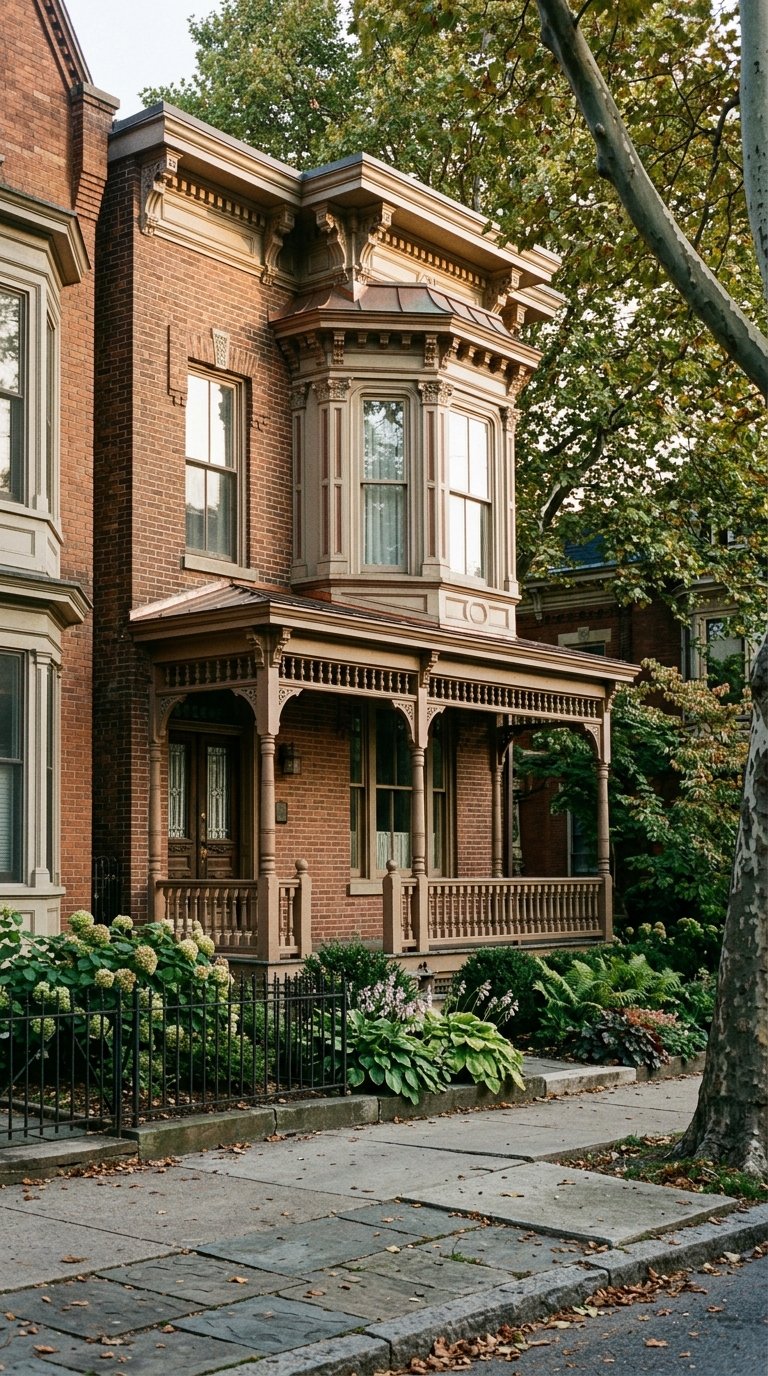
Queen Anne and late Victorian homes often feel more expressive. Buyers may see asymmetrical floor plans, central staircases, decorative windows, and porch-centered curb appeal.
These homes tend to offer strong visual character both inside and out. If you enjoy architecture that feels layered and one-of-a-kind, this style often delivers that experience.
Craftsman and Bungalow-Era Traits
Craftsman and bungalow-era homes often lean simpler and more practical in their interiors. You may find less compartmentalized spaces, visible woodwork, and a stronger focus on natural materials rather than heavy ornament.
That can appeal to buyers who want older-home character with a somewhat more relaxed layout. It is a good reminder that “historic” does not always mean overly formal.
Walkable Downtown Living in Milton
One of Milton’s biggest lifestyle draws is its downtown setup. Rather than functioning like a single-use commercial strip, the borough’s core is arranged more like a walkable downtown area with services and small businesses clustered together.
The historic downtown footprint runs along Broadway from Lincoln Park to the railroad tracks and along Front Street from Walnut Street to Mahoning Street. That concentration can make daily routines feel simpler for people who value being near local services.
The business directory shows a mix of practical stops in the core, including a pharmacy, USPS, office supply, salons, and other small businesses. For some households, that means errands can be handled close to home instead of requiring multiple longer drives.
Downtown Life Goes Beyond Errands
Walkability is not only about convenience. It also shapes how a place feels on an ordinary weekday and on a weekend.
Milton’s downtown includes community features like Third Fridays, a 14-kiosk historic walking tour, and virtual walking tours in Downtown Milton and Milton State Park. Those details reinforce that the borough’s center is not just functional. It also supports a sense of place tied to local history and public activity.
For buyers, that can add to the appeal of living near the core. For sellers, it is one more reason location within walking distance of downtown amenities may resonate with the right audience.
River Access Adds Another Layer
Milton’s setting along the West Branch Susquehanna River is a major part of the local experience. If you enjoy outdoor access, that feature can be just as meaningful as architecture or downtown convenience.
Milton State Park is an 82-acre island between Milton and West Milton. The park offers hiking, picnicking, boating, fishing, soccer, and wildlife-watching opportunities, giving residents a nearby option for recreation without leaving the area.
Local tourism materials also point to river views from Lincoln Park. Combined with adaptive reuse in the downtown core and refurbished historic buildings now housing modern enterprises and a model train museum, Milton offers a lifestyle that blends history, scenery, and practical day-to-day use.
What Buyers Should Research Before Buying Older Homes
Historic homes can be rewarding, but they usually ask for a more careful buying process. In Milton, the smart approach is to pair excitement about charm and location with clear due diligence.
Start with the basics of property condition, then look closely at whether the home sits in the historic district or floodplain. Those two questions can shape future maintenance decisions, renovation plans, and overall carrying costs.
Check Historic District Status
Milton Borough posts a Historic District Map that can help you research whether a property falls within the district. If the boundary is unclear, confirm it with borough staff before you make assumptions about future exterior work.
This matters because changes to older masonry, porches, windows, and additions may need added review, especially if a property is a listed or contributing historic resource or if the work involves state or federal funding or permits.
Check Floodplain Questions Early
Because flooding in 1972 was a major local event, river-adjacent properties deserve extra attention. Milton Borough also posts a Floodplain Map, which can help you identify whether a parcel may need closer review.
If a property is near the river or in a low-lying area, ask early questions about drainage and floodplain status. Doing that upfront can help you make a more informed decision before moving deeper into a transaction.
Budget for Ongoing Maintenance
Milton has adopted the 2015 International Property Maintenance Code for all property, buildings, and structures. For buyers, the practical takeaway is simple: older homes often reward owners who plan for routine upkeep.
A maintenance reserve can help with expected repairs and moisture management over time. Historic homes often offer lasting value and character, but they tend to perform best when maintenance is steady rather than delayed.
Helpful Local Research Tools
If you are serious about buying or preparing to sell in Milton, local records and maps can save time and reduce surprises. The borough website posts several tools that can support parcel-level research.
Useful resources include:
- Historic District Map
- Zoning Map
- Floodplain Map
- 1927 Sanborn map
These tools can help you understand context before making plans for renovations, pricing, or marketing. They are especially helpful when a home’s age, lot position, or past use may affect your decision-making.
What Sellers Can Highlight About Milton Homes
If you are selling a home in Milton, your property is often part of a bigger lifestyle story. Buyers may be looking not only at the house itself, but also at architectural character, walkability, and access to the river and downtown amenities.
That means thoughtful marketing matters. A home’s period details, porch presence, traditional layout, downtown proximity, or access to parks and everyday services may all be relevant, depending on the property.
It also means accuracy matters. When a home is older or located in a historic area, clear communication about condition, updates, and known property context helps build buyer trust.
Why Local Guidance Matters in Milton
Milton is not a one-size-fits-all market. Two homes may be close together but differ meaningfully in architectural style, upkeep needs, floodplain considerations, or relationship to the downtown core.
That is where process-driven local guidance can make a real difference. When you are weighing charm against maintenance, or lifestyle against renovation questions, it helps to work with someone who can keep the details organized and the transaction moving clearly.
Whether you are buying a historic home, selling a property near downtown, or simply trying to understand where Milton fits among nearby communities, a careful local strategy can help you make a more confident decision.
If you are considering a move in Milton or the surrounding Susquehanna Valley, Brett Barrick can help you evaluate your options with clear guidance, local perspective, and a steady process from start to finish.
FAQs
What makes Milton, PA appealing for historic-home buyers?
- Milton offers a compact borough setting, a National Register-listed historic district, and a wide mix of architectural styles that reflect late-19th- and early-20th-century rebuilding.
What kinds of home styles can you find in Milton, PA?
- Local heritage sources describe Richardsonian Romanesque, Queen Anne, Shingle, early Colonial Revival, Craftsman, Art Deco, and Federal-style examples in and around Milton.
What does walkable downtown living in Milton, PA mean?
- Milton’s downtown core clusters small businesses and everyday services along Broadway and Front Street, which may allow some residents to handle errands close to home.
What should buyers check before purchasing an older home in Milton, PA?
- Buyers should review the property’s condition, check whether it is in the historic district or floodplain using borough maps, and ask borough staff about any review questions tied to future exterior work.
Why does floodplain research matter for homes in Milton, PA?
- Milton’s history includes major flooding in 1972, so river-adjacent or lower-lying properties deserve early review of drainage and floodplain status.
What outdoor amenities support Milton, PA living?
- Milton State Park offers hiking, picnicking, boating, fishing, soccer, and wildlife-watching, and Lincoln Park is known for river views that add to the borough’s setting.