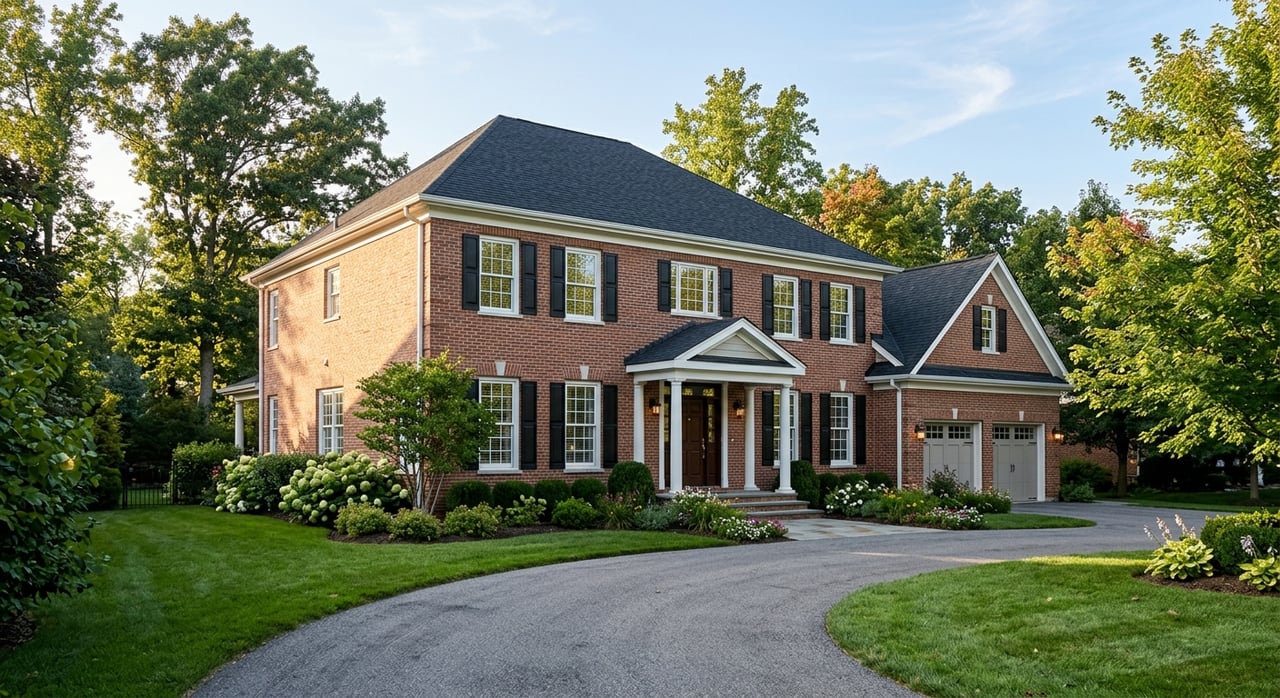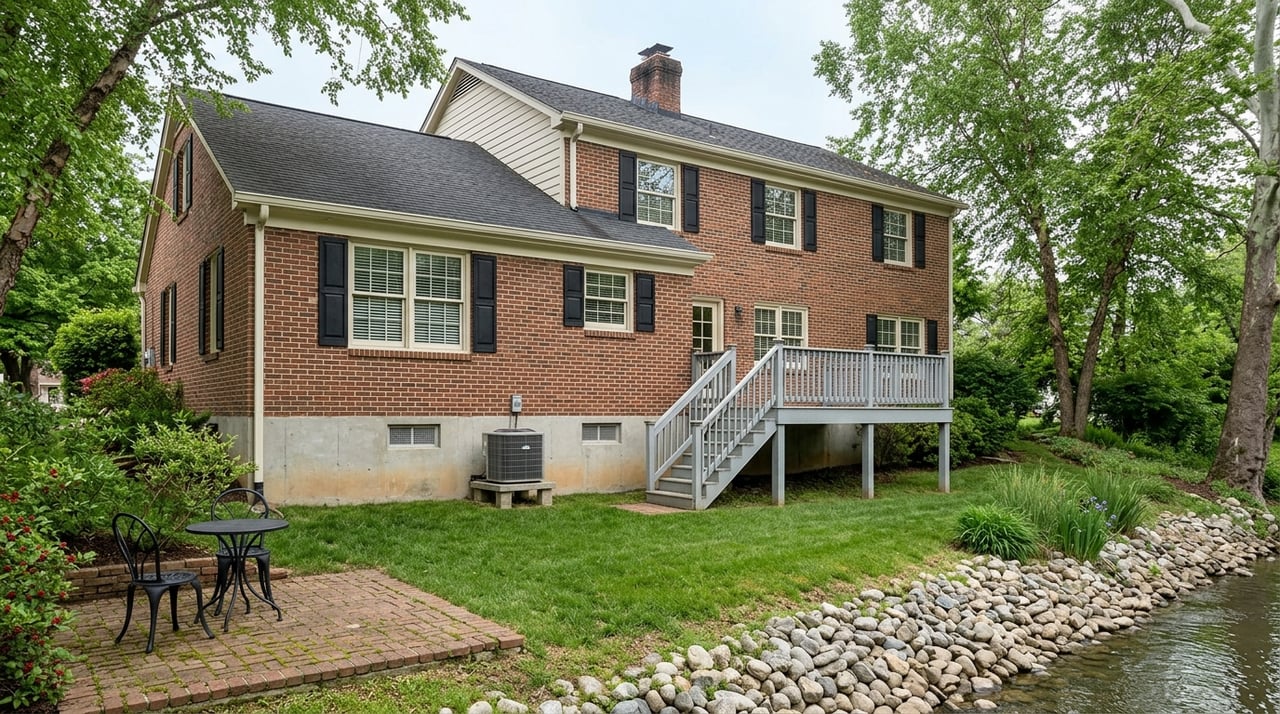
Thinking about waking up to river views in Milton? It is easy to see the appeal. Between the West Branch Susquehanna River, access to Milton State Park, and the draw of fishing and paddling nearby, riverfront living can offer a lifestyle that feels peaceful and connected to the outdoors. But in this part of Northumberland County, it also comes with real flood, insurance, and maintenance questions you need to understand before you buy or sell. This guide will help you weigh both sides clearly and confidently. Let’s dive in.
Why riverfront living attracts buyers
River-adjacent homes in Milton offer something many properties cannot: direct access to scenery and recreation tied to the West Branch Susquehanna River. Milton State Park, an 82-acre island between Milton and West Milton, adds a strong lifestyle benefit for people who enjoy being close to open space and water.
The area also connects to the West Branch Susquehanna River Water Trail, a 228-mile corridor used for paddling and fishing. Under normal conditions, the Pennsylvania Fish and Boat Commission describes the water as beginner-friendly Class I, which helps explain why buyers are drawn to this setting.
For many people, that is the heart of the appeal. A riverfront home here is not just about the house itself. It is also about the setting, the views, and the chance to enjoy the river as part of daily life.
Milton’s flood history matters
If you are considering riverfront living in Milton, flood history should be part of your decision from day one. The Borough of Milton notes that major flooding, including Hurricane Agnes in 1972, significantly affected downtown Milton.
That local history fits into a larger regional pattern. The Susquehanna basin is considered one of the nation’s most flood-prone areas, with exposure to river flooding, flash flooding, and ice-jam flooding.
Ice jams deserve special attention in this area. The National Weather Service says they can affect residences, businesses, transportation, and infrastructure, and their behavior can be unpredictable.
What flood zones mean for a property
Before you make an offer on a river-adjacent home, check the exact property on FEMA’s official flood-hazard maps. High-risk flood zones begin with A or V and are classified as Special Flood Hazard Areas, often called SFHAs.
That designation can affect both your financing and your monthly costs. In NFIP communities, flood insurance is mandatory for properties in high-risk zones when the mortgage is government-backed.
Even if a property is outside a current high-risk zone, that does not always mean there is no flood risk. FEMA reports that nearly one-third of NFIP claims from 2014 through 2024 came from outside current high-risk zones.
Flood insurance is only part of the picture
Many buyers assume a standard homeowners policy will cover flood damage. In most cases, it does not. That is why reviewing insurance needs early is so important if you are looking near the river.
It is also important to know that flood insurance may not cover every feature on the property. Milton’s flood information page specifically lists items such as landscaping, wells, septic systems, decks, patios, fences, seawalls, hot tubs, swimming pools, and basement personal property among items not covered by building or contents coverage.
That can change the real cost of ownership. A home with outdoor upgrades, site improvements, or lower-level storage may carry more financial exposure than buyers first expect.
Local rules can affect renovations and repairs
In Milton, floodplain rules are not just a technical detail. They can directly affect what you can build, repair, or improve on a property.
The borough’s flood-damage-prevention code says construction or development generally requires permits, and work in the floodplain district may require special permit review. Depending on the situation, that can include floodproofing standards and minimum finished-floor elevation rules.
For certain special-permit structures in the floodplain, the lowest floor must be at least 1.5 feet above the 100-year flood elevation. That makes it especially important to review any past additions, lower-level improvements, or planned projects before moving forward.
What to inspect on river-adjacent homes
A riverfront property needs a more careful review than a typical in-town home. You are not just evaluating finishes and layout. You are also evaluating how the site handles water, how the structure was built or updated, and how easy it is to protect.
Pay close attention to the parts of the home most affected by floodplain standards and water exposure. That usually includes basements, crawl spaces, utilities, drainage patterns, and access routes.
Milton’s flood code also highlights flood openings, floodproofing, and evacuation planning in certain floodplain situations. Those details can make a major difference in both safety and long-term ownership costs.
Key questions buyers should ask
- Is the property in a Special Flood Hazard Area, floodway, or floodway fringe?
- What does the FEMA map show for this exact address?
- Has the property had prior flood claims or mitigation work?
- Where are the utilities located?
- Were additions, repairs, or improvements completed with any needed floodplain permits?
- How does the lot handle drainage, bank stability, and runoff?
Maintenance looks different near the river
Riverfront ownership often means more site-related maintenance over time. Drainage, grading, and streambank stability can become practical issues, especially after periods of heavy rain or flooding.
Pennsylvania DEP notes that its waterways program includes flood protection work and assistance related to streambanks affected by flooding and erosion. That is a reminder that river-adjacent lots can require ongoing attention beyond normal yard care.
Vegetation management matters too. DCNR and the Pennsylvania Fish and Boat Commission say streamside forest buffers help absorb stormwater, reduce runoff, and control streambank erosion.
In other words, landscaping near the river is not only about appearance. It can also play a role in protecting the property over time.
Tips for buyers considering Milton riverfront homes
If you love the setting, you do not need to rule out riverfront living. You just need to approach it with clear eyes and good information.
Start with the exact address, not the general area. Flood exposure can vary significantly from one property to the next.
A smart buying process often includes:
- Reviewing FEMA flood maps for the property
- Checking Milton Borough floodplain materials
- Asking whether the home sits in an SFHA, floodway, or floodway fringe
- Estimating flood insurance costs early
- Reviewing elevation, utility placement, and lower-level conditions
- Looking closely at drainage, erosion, and access concerns
This is where steady, detail-oriented guidance matters. A riverfront purchase is both a lifestyle decision and a risk-management decision.
Tips for sellers marketing river-adjacent homes
If you are selling a riverfront or river-adjacent home in Milton, expect informed buyers to ask thoughtful questions. The more organized and transparent you are, the smoother the process tends to be.
Buyers may want to know about flood claims, elevation, utility placement, mitigation work, bank stabilization, and whether past additions or repairs required floodplain permits. Having that information ready can help reduce uncertainty.
It also helps to frame the property honestly. The appeal is real: scenic surroundings, nearby recreation, and direct connection to one of the region’s defining natural features. But serious buyers will also want a clear picture of the responsibilities that come with that location.
Riverfront living can be rewarding with the right plan
For the right buyer, riverfront living in Milton can be a great fit. The access to Milton State Park, the scenic setting, and the connection to fishing and paddling are meaningful advantages.
At the same time, the local flood history, insurance questions, and property-specific maintenance needs should never be treated as minor details. The goal is not to avoid these homes automatically. The goal is to evaluate them carefully.
If you want help sorting through riverfront opportunities in Milton or preparing a river-adjacent property for sale, working with a calm, process-driven local professional can make a big difference. To talk through your options, connect with Brett Barrick.
FAQs
What makes riverfront living in Milton appealing?
- Riverfront living in Milton appeals to many buyers because of scenic surroundings, proximity to Milton State Park, and access to fishing and paddling along the West Branch Susquehanna River Water Trail.
What flood risks should buyers consider in Milton, PA?
- Buyers should consider river flooding, flash flooding, and ice-jam flooding, all of which are documented risks in the Susquehanna basin and the Milton area.
What should buyers check before purchasing a river-adjacent home in Milton?
- Buyers should check the FEMA flood map for the exact address, review Milton Borough floodplain materials, and ask whether the property is in an SFHA, floodway, or floodway fringe.
Does flood insurance cover everything at a Milton riverfront property?
- No. Milton’s flood information says items such as landscaping, wells, septic systems, decks, patios, fences, seawalls, hot tubs, swimming pools, and basement personal property may not be covered by building or contents coverage.
Can floodplain rules affect renovations in Milton?
- Yes. Milton’s flood-damage-prevention code says construction or development generally requires permits, and floodplain work may involve special review, floodproofing standards, and elevation rules.
What should sellers disclose or prepare for a Milton river-adjacent home sale?
- Sellers should be ready for questions about flood claims, mitigation work, elevation, utility placement, bank stabilization, and whether additions or repairs required floodplain permits.