Thinking about buying a rental near Bucknell? It can look simple from the outside: buy a house, rent to students, collect checks. In reality, the Bucknell-area rental market in Lewisburg is shaped by university housing rules, borough permit requirements, and a leasing calendar that starts earlier than many first-time investors expect. If you want to invest with fewer surprises, it helps to understand where demand really comes from, what types of properties tend to fit the market, and what responsibilities come with ownership. Let’s dive in.
Why Bucknell rentals work differently
Lewisburg rental demand is tied to Bucknell, but it is not a wide-open student housing market. Bucknell reported 3,928 undergraduates as of October 14, 2025, and 87% lived on campus. The university also maintains a four-year residency requirement, which means the pool of undergraduates eligible for off-campus housing is limited.
In practice, off-campus demand often comes from a narrower group than many small investors assume. Only a limited number of rising seniors may live off campus through a random selection process, while some graduate students, non-traditional students, commuting students, married students or parents, new students age 23 and older, and some returning students are exempt from the off-campus approval process. That means your likely renter pool is more selective than in a college town with broad off-campus access.
Bucknell also offers apartment-style on-campus housing, including Gateway, West, and South Campus Apartments. So if you are buying near campus, you are not only competing with other private landlords. You are also competing with university-supplied housing options.
Understand the leasing calendar early
One of the biggest mistakes small investors make is treating student rentals like a standard year-round apartment search. Around Bucknell, the timeline starts much earlier. Students apply for off-campus approval in late September or early October for the following academic year, and Bucknell says students should not sign an off-campus lease until final written approval is received.
The room-selection process for 2026-27 is concentrated in March and April 2026, which shows just how early next-year housing decisions take shape. Fall 2026 New Student Orientation begins August 19, and classes start August 24. That creates a market where leasing activity is front-loaded well before move-in season.
For you as an investor, timing matters almost as much as property type. If your unit is not ready to market during the early decision window, you may miss the strongest part of the academic leasing cycle.
Property types that fit Lewisburg demand
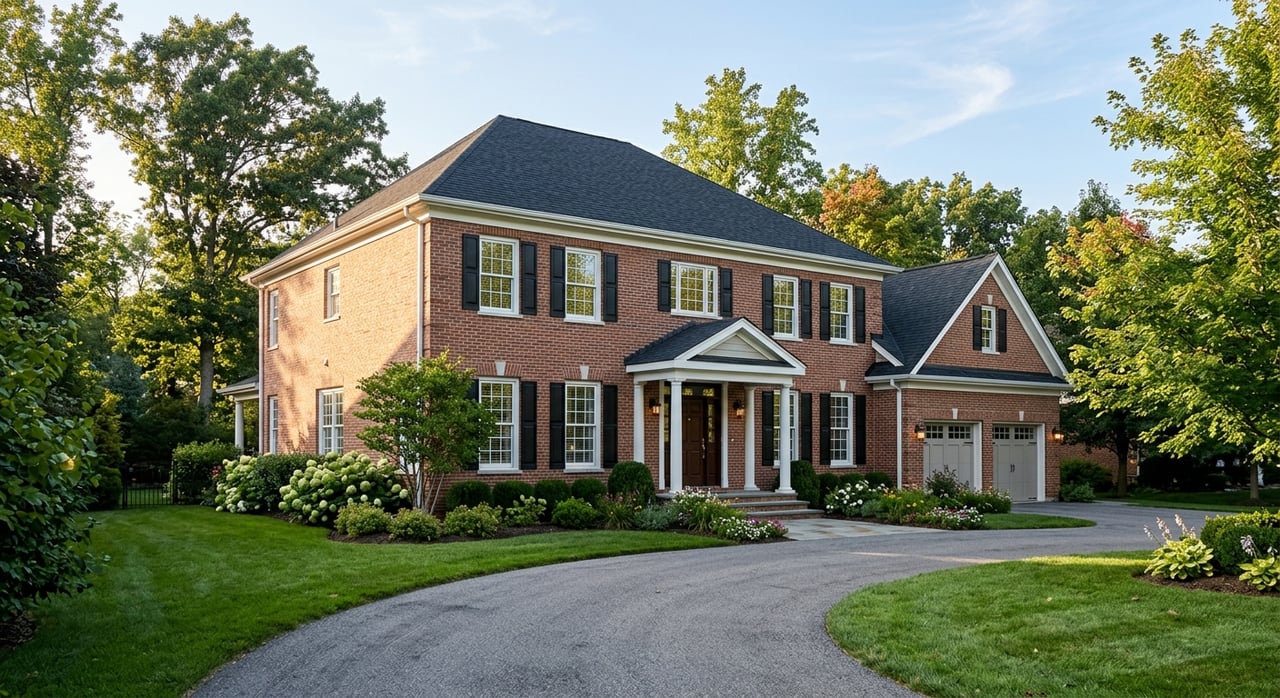
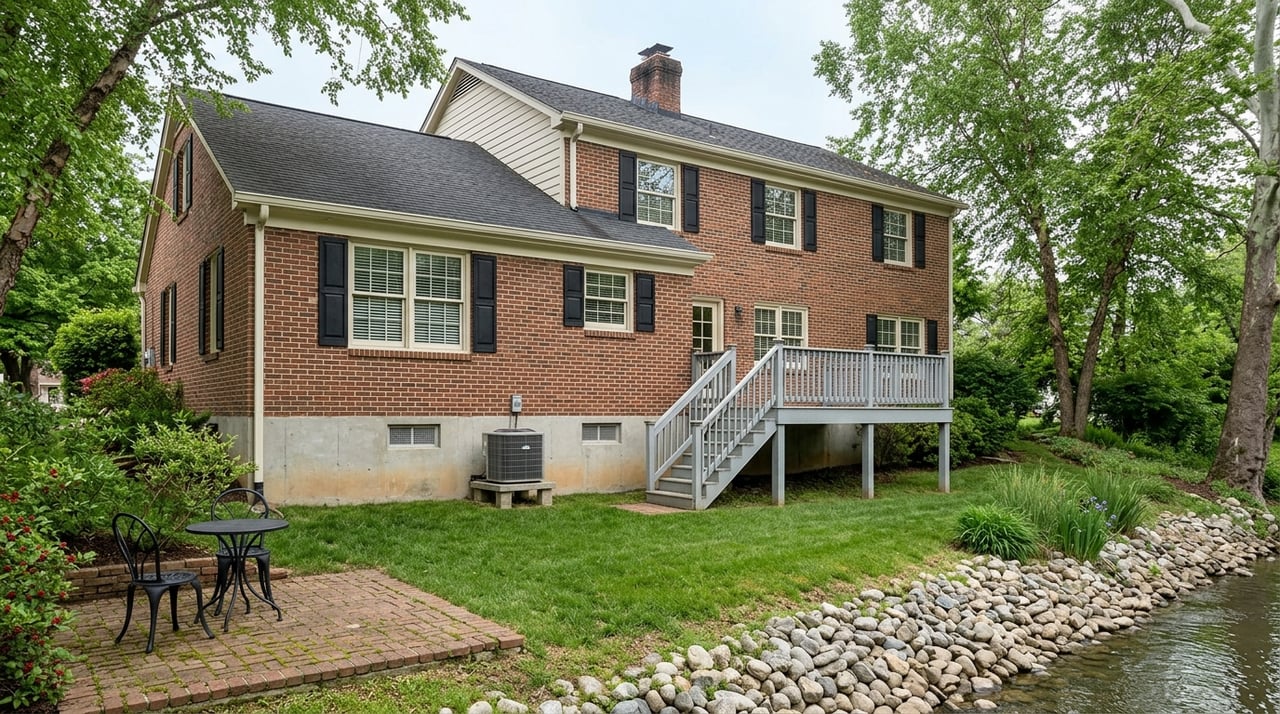
The Bucknell off-campus housing board shows a mix of houses and apartments in Lewisburg. Visible examples range from 1 to 5 bedrooms, with capacities from 1 to 3 people. That tells you the market is not limited to large student houses.
Recent public listings suggest smaller downtown apartments and compact houses can be especially marketable. Current listings show 1-bedroom units around $895, 2-bedroom apartments around $1,295 to $1,500, a 3-bedroom apartment at $1,300, and larger 3- to 5-bedroom houses above $2,200 and up to $4,000. Off-street parking and easy access to Bucknell and downtown appear to be recurring practical advantages in that inventory.
For many small investors, that can be encouraging. You may not need a large, high-maintenance property to enter the market. A smaller apartment or compact house may offer a more manageable way to test demand and operations.
What rents look like in Lewisburg
Rental data sources vary by method, so it helps to look at them as guideposts instead of exact pricing formulas. Zillow reports an average Lewisburg rent of $1,495 across 31 active rentals. Realtor.com reports a median rent of about $1,400 with 14 rentals in March 2026.
You will also notice very broad platform-wide price ranges. Zillow shows Lewisburg rentals from $790 to $12,175, but that spread includes listings outside the core student-oriented use case. The more practical takeaway is that the local market supports a range of small apartments, mid-range multi-bedroom units, and larger houses at meaningfully different price points.
Nearby towns are generally less expensive. Zillow’s current averages show Mifflinburg at $950, Milton at $1,075, and Selinsgrove at $1,075. That supports the common view that Lewisburg can command a premium tied to Bucknell proximity and downtown convenience.
Lewisburg vs nearby towns
If you are deciding where to invest, Lewisburg may offer stronger rent potential, but it can also come with a more specialized tenant pool and more direct competition around Bucknell. Nearby towns may offer lower price points, but they do not benefit from the same campus-adjacent demand pattern. Your best fit depends on whether you want to focus on university-related renters or cast a wider net.
| Area | Reported Average Rent |
|---|---|
| Lewisburg | $1,495 |
| Mifflinburg | $950 |
| Milton | $1,075 |
| Selinsgrove | $1,075 |
This does not mean Lewisburg is always the better investment. It means you should weigh purchase price, expected turnover, tenant type, and management demands together instead of looking at rent alone.
Borough rules every landlord should know
Before you rent out a covered structure in Lewisburg, you need a public housing permit from the borough. This permit is separate from other borough permits. The borough may inspect the property annually, or more often at the Building Official’s discretion.
That matters because compliance is an active part of owning rental property here. Lewisburg’s property maintenance code allows summary fines of up to $1,000, and each day can count as a separate offense after notice. For a small investor, that makes preventive maintenance and organized record-keeping especially important.
There is also a local-contact rule to keep in mind. If you live more than 30 miles away for 30 or more days at a time, you must designate a local operator within 30 miles to receive notices and legal documents.
Long-term rental and short-term rental are different
Some investors look at a property near Bucknell and wonder whether they should keep their options open for shorter furnished stays. In Lewisburg, that is not the same as operating a standard long-term rental. Rentals of 1 to 29 days fall under a separate short-term rental licensing system.
That separate system includes its own rules. Advertising must include the license number, and overnight occupancy is limited to two people per bedroom plus four additional people. If you are comparing long-term leasing with short-term use, make sure you are evaluating the correct licensing path from the start.
Pennsylvania rules that shape your lease
State law adds another important layer. In Pennsylvania, every lease carries an implied warranty of habitability, and landlords cannot waive it by contract. In simple terms, your property must meet basic livable-condition standards even if a lease says otherwise.
Security deposit rules matter too. Deposits are capped at two months’ rent in the first year and one month’s rent in the second year, with interest-account rules beginning in the third year. Pennsylvania fair housing law also bars discrimination based on race, color, religious creed, ancestry, age, sex, pregnancy or childbirth, national origin, familial status, and disability.
The Pennsylvania Attorney General also advises that leases clearly spell out rent-payment procedures, due dates, late penalties, and the security-deposit amount. Clear lease terms can reduce confusion and help you run a more consistent operation.
Risk areas small investors should not ignore
The Bucknell connection can make a Lewisburg rental attractive, but it does not reduce your need for due diligence. Bucknell states that it does not inspect off-campus residences and does not determine whether they are safe, sanitary, or compliant with local ordinances. You cannot rely on the university to verify property condition or legal compliance.
That puts the responsibility squarely on you as the owner. Before you buy, it is wise to think through permitting, condition, maintenance systems, and how you will handle turnover if a tenant group changes from one academic year to the next.
A few practical risk points to keep in mind include:
- Buying with the assumption that all Bucknell students can rent off campus
- Missing the early leasing cycle for the following academic year
- Underestimating competition from on-campus apartments
- Overlooking Lewisburg permit and inspection requirements
- Confusing long-term rentals with short-term rental rules
- Using unclear lease terms that lead to avoidable disputes
A smart approach for first-time small investors
If you are entering the Bucknell-area rental market for the first time, a smaller and easier-to-manage property may be the most practical place to start. A compact house or small apartment in Lewisburg can give you exposure to local demand without the same operational complexity as a large student-style house. It can also make maintenance, parking, and turnover easier to manage.
It also helps to buy with a strategy, not just a story. A property that feels close to campus is not automatically the right investment. You want to look at legal use, permit requirements, likely renter profile, timing of the leasing cycle, and whether the layout fits the type of tenant most likely to rent it.
That is where local guidance can make a real difference. In a market like Lewisburg, details matter, and the right plan often starts before you make an offer.
If you are weighing a purchase, comparing Lewisburg with nearby towns, or trying to decide whether a property fits long-term rental goals, Brett Barrick can help you sort through the local market with a clear, practical approach.
FAQs
How does Bucknell affect rental demand in Lewisburg?
- Bucknell creates a meaningful rental audience, but most undergraduates live on campus and the university maintains a four-year residency requirement, so off-campus demand is more limited than many investors expect.
When should you market a Bucknell-area rental in Lewisburg?
- The leasing cycle starts early, with off-campus approval activity in late September or early October for the following academic year and room-selection milestones concentrated in March and April.
What rent ranges are common for Lewisburg rentals near Bucknell?
- Recent public listings show roughly $895 for some 1-bedroom units, about $1,295 to $1,500 for some 2-bedroom apartments, around $1,300 for a 3-bedroom apartment, and more than $2,200 up to $4,000 for larger 3- to 5-bedroom houses.
What permit do landlords need for long-term rentals in Lewisburg?
- Lewisburg requires a public housing permit before a covered structure is rented, and the permit is separate from other borough permits.
Are short-term rentals in Lewisburg regulated differently from standard leases?
- Yes, rentals of 1 to 29 days require a separate short-term rental license, and those properties must follow different advertising and occupancy rules.
What should a Pennsylvania rental lease clearly include?
- A lease should clearly state rent-payment procedures, due dates, late penalties, and the security-deposit amount, along with other key terms for consistent expectations.
Can you rely on Bucknell to confirm an off-campus property is compliant?
- No, Bucknell says it does not inspect off-campus residences or determine whether they are safe, sanitary, or compliant with local ordinances.