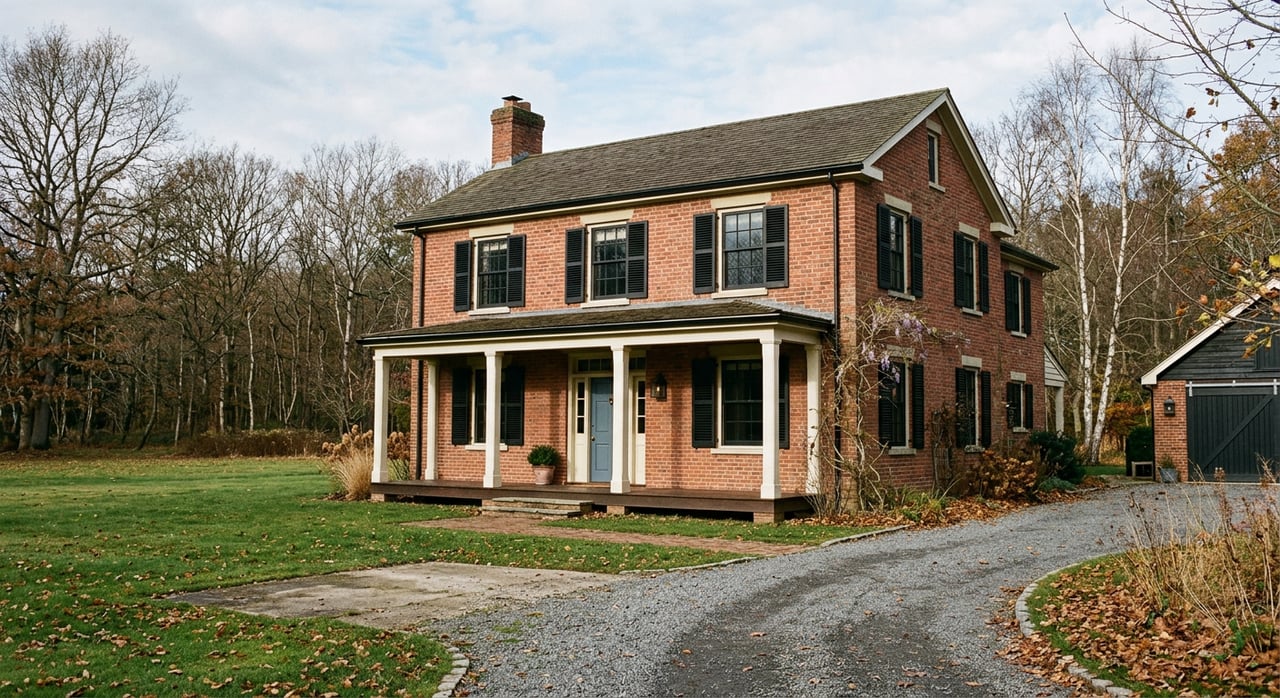
Thinking about more space, fresh air, and quiet nights under the stars? Country living around Mifflinburg offers just that, along with practical details you will want to understand before you buy. From wells and septic systems to outbuildings, permits, access, and broadband, a little homework goes a long way. This guide walks you through the key points specific to rural Union County so you can shop with confidence. Let’s dive in.
Country context: Mifflinburg and surroundings
Mifflinburg sits in the Buffalo Valley on PA Route 45, a small-town hub for surrounding rural properties. You will find a mix of in-town lots, country parcels, and agricultural land served by lower volume township roads. The Buffalo Valley Rail Trail runs roughly 9 to 10 miles between Mifflinburg and Lewisburg, which gives you a quick sense of the distance between the boroughs. You can confirm the trail corridor and distance using the Buffalo Valley Rail Trail overview.
Local governments manage zoning and land development. Mifflinburg’s code includes stormwater standards tied to the Buffalo Creek plan and rules for accessory structures. Before you count on adding a barn, shop, or large garage, review the Mifflinburg Borough code and stormwater provisions or contact the municipal office for parcel-specific guidance.
Land and acreage basics
Country buyers in Union County usually fall into two groups:
- Small country lots for privacy or recreation, often a few acres.
- Working farms or larger hobby farms, which can range into the tens or hundreds of acres.
Inventory changes quickly, so the mix you see at any given time will vary. For farms, the USDA’s 2022 Census of Agriculture shows that the average Union County farm is about 113 acres, which signals how much larger working farms are than most residential country lots. You can see the county profile in the USDA 2022 Ag Census demographic report.
Taxes and preferential assessments
If your property includes productive agricultural land, you may benefit from preferential assessment programs. Union County administers homestead and farmstead exclusions, as well as the state’s Clean and Green program for qualifying land. Always confirm whether a parcel is enrolled, since program rules can affect taxes and resale. Start with the Union County Assessment and parcel tools.
Zoning, setbacks, and impervious area
Boroughs and townships set rules for use, building size, setbacks, and stormwater. Accessory structures like pole barns and workshops can trigger permits or stormwater thresholds, while some agricultural structures may be treated differently. Before you plan improvements, check the Mifflinburg municipal code or the relevant township office, and ask for written confirmation of what is allowed.
Wells and water quality
Most rural properties rely on private wells. In Pennsylvania, private wells are not regulated like public systems, so you are responsible for water quality and maintenance. State health guidance recommends annual testing for total coliform bacteria and nitrates, with additional tests, such as pH, iron, manganese, lead, arsenic, or VOCs, as conditions warrant. Review testing basics in the state’s Private Well Water factsheet.
A good rule of thumb is to test before closing and make results part of your due diligence. Include a water test contingency in your offer, and ask for any available well logs, service records, and recent lab reports.
Septic systems 101
On-lot septic systems are common across the countryside. In Pennsylvania, they are planned and permitted under the Sewage Facilities Act, known as Act 537. The Department of Environmental Protection sets the framework, but municipalities and their Sewage Enforcement Officers (SEOs) handle permits and local enforcement. If you are buying, request permits, as-built drawings, and pump or inspection records, then verify details with the SEO. Learn the permitting structure from the DEP’s Act 537 overview.
For care and costs, the U.S. EPA recommends inspections every 1 to 3 years and pumping every 3 to 5 years, depending on tank size and household use. Budget a few hundred dollars for routine pumping in most markets, and understand that a failing drain field can cost several thousand dollars or more to replace. See the EPA’s septic care guidance for maintenance tips.
Red flags to watch
- Missing septic permits or as-builts.
- No recent pump records.
- Strong odors, soggy patches, or lush stripes over the drain field.
- Unknown well depth or no recent water test.
If records are missing, order a septic inspection and a professional well test during your contingency period.
Outbuildings, barns, and farm structures
Rural properties often include or need outbuildings. The key is to match your plans with local rules and site conditions.
- Permits and setbacks. Local zoning controls size, height, setbacks, and stormwater thresholds. Confirm requirements with the municipal office or the Mifflinburg code resource.
- Utilities. Adding electric to a distant barn may require trenching and coordination with the utility. Water lines or additional plumbing can trigger code requirements.
- Livestock and manure. Even small-scale animal housing can bring conservation and manure management questions. For guidance and best practices, contact the Union County Conservation District.
- Protect your septic area. Do not build over a drain field, and keep heavy vehicles off that area.
Always ask the seller for permits or plans for existing structures and confirm placement relative to property lines and septic components.
Access, winter roads, and daily logistics
Rural life works best when you know how you will get in and out, winter or summer.
- Road maintenance. State routes like PA 45 are maintained by PennDOT. Townships and boroughs handle local roads, which may be gravel and plowed later than main routes. If you have a long private driveway, confirm who is responsible for snow removal and whether a plow truck can turn around.
- Driveway connections. If your drive connects to a state road, you may need a PennDOT Highway Occupancy Permit. Start with the PennDOT HOP information.
- Broadband and cellular. Service is improving, but coverage can vary by address. Check availability and speeds before you buy. Use the county’s broadband map resource to verify options by location.
- Emergency services and schools. Rural areas often rely on volunteer fire companies and regional EMS. Response times vary with distance from borough centers. School assignment depends on the property address within the Mifflinburg Area School District and surrounding townships. Ask the listing agent to confirm.
Costs to budget for
- Annual well testing and any needed treatment.
- Septic inspections every 1 to 3 years and pumping every 3 to 5 years.
- Driveway snow removal or private-lane maintenance if not township maintained.
- Utility extensions to outbuildings, such as trenching for electric or water.
- Potential stormwater controls if you add large impervious areas.
These are not one-time expenses. Build them into your annual and long-term budgets so rural living stays enjoyable.
Smart offer strategy for country properties
You can protect your purchase with a clear plan and a few targeted contingencies.
Documentation first. Request well logs, recent water test results, septic permits, as-builts, and pump or inspection receipts. The state’s private well factsheet outlines what to test and why.
Inspection contingencies. Include a professional well test and a septic inspection in your offer. If documents are missing, ask for time to test and inspect.
Confirm access and permits. If the driveway meets a state road, review the PennDOT HOP process. Check who plows the road and your driveway.
Verify tax status. Confirm whether the parcel is in Clean and Green or has any deed restrictions. Use the Union County Assessment office resources.
Outbuilding plans. Before you budget for a new barn or shop, confirm setbacks, height, lot coverage, and stormwater requirements with the municipality. For farm or animal-related questions, the Union County Conservation District is a helpful contact.
Quick buyer checklist
- Request and review: well test results, well logs, septic permit and as-built, and any pump or inspection receipts.
- Make contingencies: include both a septic inspection and a professional well test in the offer.
- Confirm access and winter care: check whether the driveway meets a state or township road, whether an HOP is needed, and who plows what.
- Check utilities and internet: verify electric capacity, any extension costs, and address-level broadband availability.
- Budget maintenance: septic pumping every 3 to 5 years and annual well testing, plus potential drain field replacement if soils are poor.
- Ask about land use programs: Clean and Green enrollment, any conservation easements, and deed restrictions.
Why work with a local, process-driven guide
Country purchases include more moving parts than a typical in-town home. You want a steady hand who helps you gather records, line up the right inspections, and plan improvements that comply with local rules. With deep Union County roots and an attorney’s eye for detail, you get clear steps, strong contingencies, and a smoother path to closing.
If you are weighing acreage near Mifflinburg and want a calm, thorough approach from search to settlement, connect with Brett Barrick. You will get local insight, careful contract review, and a plan tailored to how you want to live on your land.
FAQs
What should I test in a private well before buying near Mifflinburg?
- Start with total coliform bacteria and nitrates, then consider pH, iron, manganese, lead, arsenic, or VOCs based on site conditions. See the state’s guidance in the Private Well Water factsheet.
How often should a septic system be pumped on a rural Union County property?
- The U.S. EPA recommends inspections every 1 to 3 years and pumping every 3 to 5 years for typical households. Review care tips at the EPA septic care page.
Do I need a permit to add a barn or large garage on a country lot?
- Likely yes. Boroughs and townships set size, setback, and stormwater rules. Confirm requirements with your municipal office or review the Mifflinburg code for borough properties.
How can I confirm property taxes or Clean and Green enrollment on acreage?
- Check parcel details, assessment contacts, and Clean and Green resources at the Union County Assessment page, and request any program paperwork from the seller.
Who maintains roads and driveways in rural areas around Mifflinburg?
- PennDOT maintains state routes like PA 45, while townships and boroughs handle local roads. Private driveways are typically the owner’s responsibility. If your drive meets a state road, review the PennDOT HOP process.
Is high-speed internet available at most country homes near Mifflinburg?
- Coverage varies by address. Verify availability and speeds using the county’s broadband map tool and by contacting providers before you buy.